40 health claims on food labels australia
Health, nutrition and credence claims - food marketing and ... - Lexology The new Standard 1.2.7 - Nutrition, Health and Related Claims regulates the voluntary nutrition and health content claims that food businesses can make on labels and in advertising. The goal of the... How to understand food labels | Eat For Health Sometimes labels will include nutrition content claims like 'low fat', 'reduced salt' or 'high fibre'. These claims can only be used if the food meets certain criteria. For example, with a 'good source of calcium' claim, the food must contain more than a set amount of calcium.
HEALTH CLAIMS ON FOOD - Public Health Association of Australia Inc claims on food products was introduced in Australia and New Zealand, in accordance with the fundamental nutrition principle that it is the total dietary balance that is important for health, and not individual foods claiming special medical benefits. 2. This prohibition policy has effectively prevented many

Health claims on food labels australia
Nutrition content claims and health claims - Food Standards If you have concerns about a nutrition content or health claim on a particular food in Australia, contact your state or territory health agency or department. Complaints about nutrition content and health claims in New Zealand should be directed to the Ministry for Primary Industries. In addition, fair trading laws in Australia and New Zealand require that labels do not misinform through false, misleading or deceptive representations. Food labelling FAQs | ACCC The Country of Origin Food Labelling Information Standard (Standard) commenced on 1 July 2016. The Standard establishes a new system for the country of origin labelling of food products sold in Australia. Businesses have up to two years to transition to the labelling requirements set out in the Standard. During the transition period, businesses ... How effective is food industry self-substantiation of food-health ... The Food Standards Code regulates health claims on Australian food labels. General-level health claims highlight food-health relationships, e.g. 'contains calcium for strong bones'. Food companies making claims must notify Food Standards Australia New Zealand (FSANZ) and certify that a systematic literature review (SLR) substantiating the ...
Health claims on food labels australia. Health-related claims on food labels in Australia: understanding ... Abstract Objective Health and related claims on food labels can support consumer education initiatives that encourage purchase of healthier foods. A new food Standard on Nutrition, Health and Related Claims became law in January 2013. Implementation will need careful monitoring and enforcement to ensure that claims are truthful and have meaning. Food labels - Better Health Channel Standard 1.2.7 Nutrition, health and related claims controls the use of content claims on food labels. Nutrition content claims make statements about certain nutrients or substances in a food (for example, 'high in calcium'). For a manufacturer to make various claims, their products must meet various guidelines including: Standard 1.2.7 Nutrition, health and related claims - Legislation 1.2.7—4 Nutrition content claims or health claims not to be made about certain foods A nutrition content claim or *health claim must not be made about: (a) kava; or (b) an infant formula product; or (c) a food that contains more than 1.15% alcohol by volume, other than a nutrition content claim about: Food and medicine regulation - Therapeutic Goods Administration (TGA) In 2013, a Food Standard (Standard 1.2.7) that sets out rules for the use of nutrition content and health claims on food labels and advertisements became law. It's swallowed and makes health claims - so is it a medicine or food? Generally a product that is swallowed will be either one form of therapeutic good (a medicine) or a food.
Health-related claims on food labels in Australia ... - Europe PMC Health and related claims on food labels can support consumer education initiatives that encourage purchase of healthier foods. A new food Standard on Nutrition, Health and Related Claims became law in January 2013. Implementation will need careful monitoring and enforcement to ensure that claims are truthful and have meaning. PDF Getting Your Claims Right - Food Regulation All food businesses, including importers, in Australia and New Zealand must comply with Standard 1.2.7 when making nutrition content claims and health claims on food labels, in advertisements and in endorsements on food. The diagram on page 4 can help you consider whether Standard 1.2.7 applies to any claims made. PDF Misleading descriptions for food options paper - Department of Health descriptions of food products in the Australian and New Zealand markets. Forum Ministers agreed that the FRSC will develop an options paper on how food standards, including labelling, definitions and other elements, can be used to address misleading descriptions of food. 1.1 Scope of this paper Food labelling - Health.vic All packaged foods sold in Australia must comply with the labelling requirements of the Australia New Zealand Food Standards Code, which applies in Victoria through the Food Act 1984. Food labels must carry essential information, so that consumers are informed of the nature and properties of foods before they buy. Food businesses must ensure that they do not mislead or deceive consumers with any claims made on food labels. Food importers must also comply with Australian labelling laws.
Organic claims | ACCC An organic claim is any claim that describes a product as organic, or the ingredients used to make a product as organic. For example '100% organic', 'made using organic ingredients' or 'certified organic'. Products labelled as organic generally attract a premium price compared to those produced using artificial fertiliser, chemicals ... What Are The Labelling and Packaging Laws in Australia? The ACL is a national law that aims to protect consumers, and ensure fair trading and competition in Australia. As a general rule, all product packaging and labelling must comply with the ACL. For example, the ACL requires that: most food products have a notice or label to inform customers which country the product came from; Advertising Compliance and Food Packaging | LegalVision A health claim is one that states, suggests or implies that a food product or a certain property of the food product has, or may have, a health effect. Additionally, businesses can make health claims in their advertising, provided they comply with Commonwealth and state Food Standards legislation, and the claims are true. Labelling Guidance - Australian Beverages Standard 1.2.7 sets out the rules for food businesses choosing to make nutrition content claims and health claims. Nutrition content claims are claims about the content of certain nutrients or substances in a food or beverage, such as 'low in fat' or 'good source of calcium'. These claims will need to meet certain criteria set out in the Standard.
Ag News: New Food Health Claims/Labeling
PDF Health-related claims on food labels in Australia: understanding ... Standard sets the rules for the nutrition content and health claims that can be used on food labels and in food advertisements. However, food labels may also carry a wide range of statements that are not covered by this new Standard but shoppers still may perceive them as related to health (e.g. 'wholegrain'). Further, some claims on food labels are regulated under other legislation or processes

9 Hidden Facts the Food Industry Doesn't Want You to Know | LIVESTRONG.COM
How to read food labels | healthdirect In Australia, the law requires all manufactured foods to carry labels containing safety and nutrition information. This information helps you to make decisions about the food you buy and eat so you can follow a healthy diet. The label will tell you: the name of the product, describing accurately what it is. the brand name.

Regulating health claims on food labels using nutrient ... - PubMed Objective: Proposed Australian regulation of claims on food labels includes requirements for products carrying a health claim to meet nutrient profiling criteria. This would not apply to nutrition content claims. The present study investigated the number and healthiness of products carrying claims and the impact of the proposed regulation.
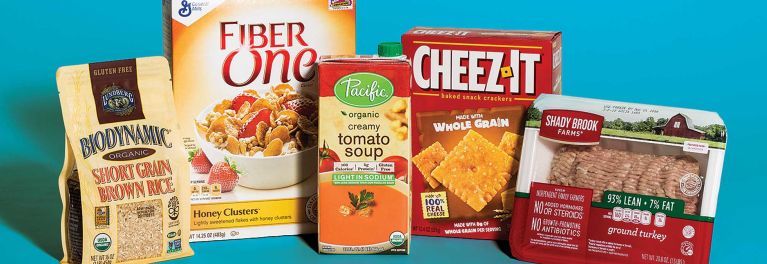
Can You Believe the Health Claim on That Food Label? - Consumer Reports
Health-related claims on food labels in Australia - PubMed Abstract Objective: Health and related claims on food labels can support consumer education initiatives that encourage purchase of healthier foods. A new food Standard on Nutrition, Health and Related Claims became law in January 2013. Implementation will need careful monitoring and enforcement to ensure that claims are truthful and have meaning.

Chinese woman eats dozens of LIVE bugs in food market in video | Daily Mail Online
Nutrition, health and related claims - Food Standards Health claims. You can only base health claims on food-health relationships that have been substantiated according to Standard 1.2.7. All health claims must be supported by scientific evidence to the same degree of certainty, whether they are pre-approved by us or self-substantiated by food businesses. General level health claims

34 Which Health Claim On A Food Label Is Not Allowed - Labels Information List
Nutrition content and health claims | Obesity Evidence Hub Australia's Food Standards Code sets out requirements for manufacturers wishing to make nutrient content claims ('low in fat') and health claims ('nuts contribute to heart health') on food labels. Fair trading laws in Australia also require that food labels do not misinform consumers through false, misleading or deceptive representations.

15 Health Claims on Food Labels That Are Total BS — Sorry!
Label Claims for Food & Dietary Supplements | FDA Among the claims that can be used on food and dietary supplement labels are three categories of claims that are defined by statute and/or FDA regulations: health claims, nutrient content claims,...

RSPCA encourages Australians to eat humanely this Christmas | The Advocate
Health and nutrition claims | NSW Food Authority Health and nutrition content claims are voluntary statements made by food businesses on labels and in advertising about the health benefits of the food and need to meet the criteria set out in the Food Standards Code. Health claims refer to a relationship between a food and health. They link a particular nutrient or substance in the food with an effect on health, or to a serious disease, or biomarker of a serious disease.

Guide to Food Label Health Claims - Stephanie Kay | Nutritionist & Speaker
Health & nutrition claims | NSW Food Authority Businesses must base these claims on one of 200+ pre-approved food-health relationships in the Food Standard Code, or self-substantiate a food-health relationship by following the process outlined in Schedule 6 of the Food Standards Code. High level health claims - this refers to a nutrient or substance in a food and its relationship to a serious disease or a biomarker of a serious disease, such as 'Diets high in calcium may reduce the risk of osteoporosis in people 65 years of age and ...
Food Labels
About food labels | Health and wellbeing - Queensland Food packaged with a shelf life of 2 years or less must show a date mark. Use by - used for food that must be consumed before a certain date for health and safety reasons. Food with a use by date can not be sold past this date. Best before - used for shelf-stable foods such as biscuits and confectionery, frozen foods, most raw foods that will be cooked before being eaten (e.g. meat ...

Food Labels – Health Claims – Monkeysee Videos
How effective is food industry self-substantiation of food-health ... The Food Standards Code regulates health claims on Australian food labels. General-level health claims highlight food-health relationships, e.g. 'contains calcium for strong bones'. Food companies making claims must notify Food Standards Australia New Zealand (FSANZ) and certify that a systematic literature review (SLR) substantiating the ...

Guide to Food Label Health Claims - Stephanie Kay
Food labelling FAQs | ACCC The Country of Origin Food Labelling Information Standard (Standard) commenced on 1 July 2016. The Standard establishes a new system for the country of origin labelling of food products sold in Australia. Businesses have up to two years to transition to the labelling requirements set out in the Standard. During the transition period, businesses ...
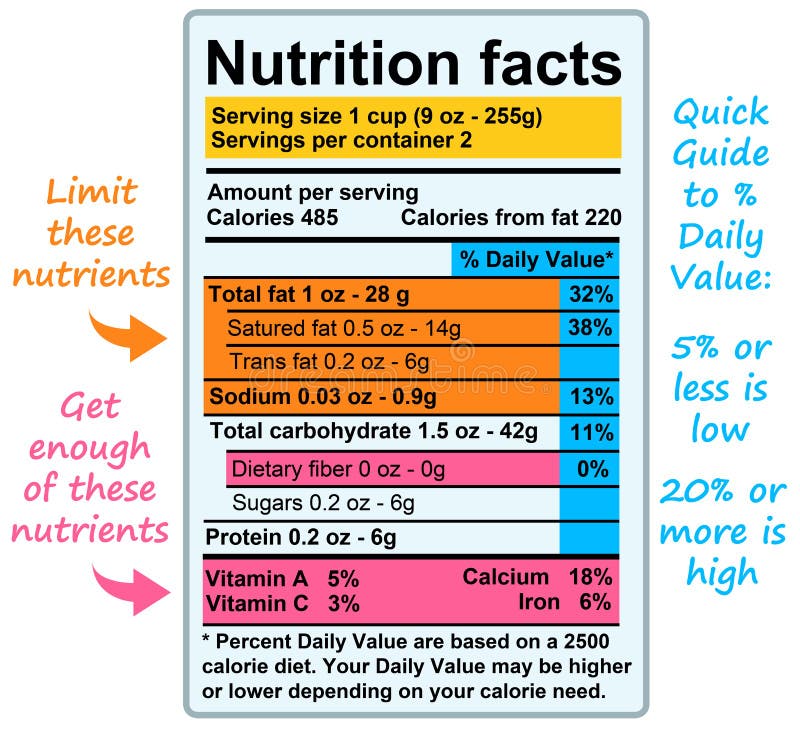
Nutrition facts stock illustration. Illustration of dairy - 28179765
Nutrition content claims and health claims - Food Standards If you have concerns about a nutrition content or health claim on a particular food in Australia, contact your state or territory health agency or department. Complaints about nutrition content and health claims in New Zealand should be directed to the Ministry for Primary Industries. In addition, fair trading laws in Australia and New Zealand require that labels do not misinform through false, misleading or deceptive representations.


15 Health Claims on Food Labels That Are Total BS — Sorry!


Half a billion animals living a better life as RSPCA celebrates World Farm Animal Day | The Advocate

'A third of the girls with real boobs are considering implants': NFL's oldest cheerleader spills ...
Post a Comment for "40 health claims on food labels australia"